
Healthy Happy Intimate Adult Relationship, Uncategorized

Healthy Happy Intimate HHIA Relationships 17

Here we are, Here we go…

Learning to heal

Sean again! Last time we explored how we experience scaring and damage to our natural Lovemaps:

Photo by Fadi Dahabreh on Scopio

Recap

To recap: Most of us have grown up in a patriarchal world where we are exposed to skygod religions (Judaism, Christianity or Islam) which are invested in a patriarchal, omniscient, judgmental god. In addition, most of us have experienced rejection, loss, separation fear or embarrassment with regard to our bodies, our feelings, our affections or attractions at least in part to our environment and the people around us. 

Therefore, most of us can relate to and/or empathize with feelings of isolation, inhibition, being misunderstood, and/or unappreciated. All of these can spring from real or imagined intentions and actions of others.

This blog-lesson will begin to explore how we can start to heal and recover.   

Awareness

So, how do we raise our awareness?

A good place to start is with an inventory. Therefore, the next couple of blog-lessons are going to be a bit more interactive. In other words, I am going to provide a frame/outline and you are going to be encouraged to fill in some of the blanks This will help you to get a better understanding of who you are, including how you experience and have experienced the relationships in your life.

The first step toward change is awareness. The second step is acceptance

Nathaniel Branden (1930 – 2014), US-american Psychotherapist and Autor

Photo by Josh Joshua on Scopio

People in our lives

Starting with an inventory of the people in our lives. These include our first relationships and influences and continues to the people we interact with today. In order to keep things in perspective I would suggest keeping it simple. Hence, I have developed a three-word system to describe the people in your relationship history.

The idea is that is to think of each person listed in the inventory. The person or people described can be added to or subtracted depeding on you. This means, you can adapt the list to mirror your relationships and the people in your life.
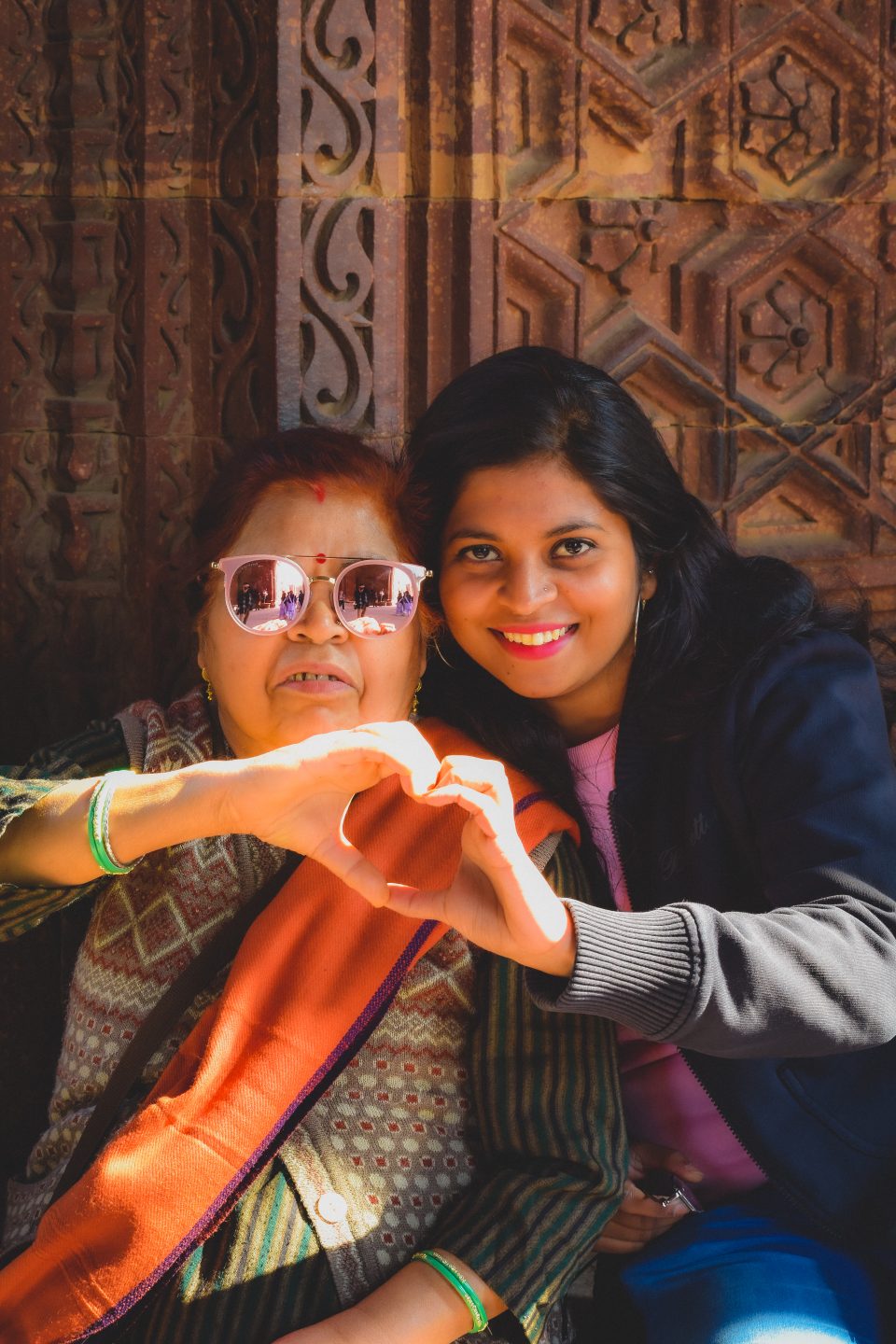
Photo by Abhishek Yadav on Scopio

Instructions

  • First: you write down the name of the person you are thinking of.
  • Second: write down the first word you think of in connection with this person.
  • Third: think of a positive/plus/helpful/favorable/flattering word to describe this person. Write it down.
  • Fourth: think of a negative/minus/unhelpful/critical word to describe the person. Write it down.

The inventory should only take 15 to 20 minutes to complete. Do not over think it. Go with your gut, remember first throughts.

An Example

  • My first infatuation: Redhead – sleepovers – lost
  • My Boss: Independent – creative – critical

3-Word Inventory:

Person: First Thought – Plus – Minus

Earliest: First Thought – Plus – Minus

  • Mother:    ____________ – _____________ – ____________
  • Father:       ____________ – _____________ – ____________
  • Grandmother: ____________ – _____________ – ____________      
  • Grandfather:  ____________ – _____________ – _____________         
  • Close Family:  _____________ – ___________ – _____________    

Firsts: First Thought – Plus – Minus

  • Friend: _____________ – _____________ – _____________
  • Teacher:  _____________ – ____________ – ____________  
  • Infatuation:  _____________ – _____________ – ____________     
  • Romance:   _____________ – _____________ – ______________
  • Best Friend: ____________ – _____________ – _____________

 Current: First Thought – Plus – Minus             

  • Best Friend: _____________ – _____________ – _____________
  • Good Friends: _____________ – _____________ – _____________
  • Your Boss:  _____________ – _____________ – _____________      
  • Best Colleague: _____________ – _____________ – _____________
  • Child(ren): _____________ – _____________ – _____________               

Intimate: First Thought – Plus – Minus

  • 1st Intimate Relationship: ___________ – ____________ – _________ 
  • Significant HHIA Relationships: ____________ – ___________ – __________
  • Current HHIA Relationship:  ____________ – ___________ – __________       

Once you have completed the inventory, it is a good idea to let it sink in. This means putting it away for a day or two and then revisiting it.

Upon revisiting the inventory, think about the words that you chose.

Do you still agree with them? Would you like to change one or the other?  Why?

Go ahead and write down the new words. Be sure to keep the first ones and add the modifiers, if you wish. This is your private inventory. You can keep it for yourself and revisit it periodically.

“Who are we, who is each one of us, if not a combination of experiences, information, books we have read, things imagined? Each life is an encyclopedia, a library, an inventory of objects, a series of styles, and everything can be constantly shuffled and reordered in every way conceivable.”

Italo Calvino (1923-85), Italian writer, Six Memos For The Next Millennium

Photo by Ida Winther on Scopio

Feelings and Memories

As we look at the people in our lives and our relationships in this condensed form, we may remember experiences and feelings which have been hidden, put away or forgotten. These feelings and memories are key to our healing and learning.

This process is our first step towards understanding and enriching our relationships with ourselves and others; intimate, familial and platonic relationships as well.  

Our memories and feelings are shaped by more than the people we knew and know. On the one hand we build relationships and create bonds with the people in our lives. On the other hand, people, we know and people we don’t create experiences and impressions that affect and inspire emotions and thoughts. Subsequently, these thoughts and emotions tend to color and inform our relationships and decisions regarding romance and intimacy.

I would love to know what you think of the inventory and any other comments. Next time we will look at some of those experiences and impressions. Until then this is Sean signing off. Be good to you.

Till next time: Our Blog-Lessons –12345678910111213141516

Healthy Happy Intimate Adult Relationship

Healthy Happy Intimate HHIA Relationships 16

Lovemaps (2)

Photo by Gloria Basset on Scopio

What’s next!

It’s Sean here, I am back with the question: What’s next? Last time we looked at the clinical concept of lovemaps and their natural/native development. This correlates with the development of a native language. In summation, we discussed the clinical concept of our natural lovemaps being unfettered and mature around age eight.

In an ideal environment

That is to say, we are potentially ready at eight years of age to start exploring and enjoying age appropriate love and intimate relationships with agemates. Exploring and Learning in a healthy, supportive and sexually positive and enlightened culture, society and family. Subsequently, we would all grow up well adjusted intimately, intellectually, and emotionally secure. In essence, we would be prepared for the love and loves of our lives as they present themselves.   

In the real world

The concept is fantastically and wonderfully satisfying. Unfortunately, most of us do not live and are not raised in such families, societies, or cultures. The resulting effect is that our lovemaps, our “idealized and highly idiosyncratic image” of ourselves, our lovers and our relationships can and often are negatively impacted.

Lovemaps and their Distortions

Photo by Jenn O’Hara on Scopio

On one hand, our native lovemaps are most often mature and established by the age of eight, on the other, our love maps remain pliable yet fragile. In other words, our lovemaps are at risk of misunderstanding, avoidance, neglect, abuse, prohibition and inhibition. Our natural curiosity and affections can be purposely and/or accidentally hurt, harmed, impaired, distorted, and damaged though experiences with peers and adults as we develop from children to adults and beyond.

…sexuoerotic development is blanketed by an avoidance taboo.

Lovemaps, John Money
Photo by Arianna Lee on Scopio

Our schools, churches, peer groups, and even our homes can be sources of censorship, punishment and embarrassment around the issues of intimacy, affection, and nudity. Sexuoerotic development is often willfully ignored or discounted as innappropriate or unnecessary. Any negative experiences in these areas can adversely impact our lovemaps and our desire or ability to express ourselves comfortably and honestly with not only our friends, family and partners, but also potentially with ourselves as well.

Hurt and Healing

Through these experiences our native lovemaps become injured. As with physical injuries, our “lovemap” injuries must heal. Through the healing process we often develop scars. These scars are reminders of our experiences, our injuries and our healing. In a sense, these “love” scars can be thought of as our own special intimate and sacred knowledge. The truth of both our inherent and instinctive intimate desires as well as our acquired affections and intimate interests.

Lovemap defacement my be extensive, but total obliteration is unlikely.

Lovemaps, John Money
Photo by Rafael Colin on Scopio

The result of our experiences, both positive and negative, in our childhood and adolescent years into adulthood continue to shape and inform our lovemaps throughout our lives. It is never to late to heal and recover. Healing ourselves and our intimate lives. This is part of the process towards establishing a healthy happy intimate adult (HHIA) relationships. We can do this at any age and in every moment.

In this moment, I am going to say „bye till next time“. Next time we will look at where and how we begin to heal. This is Sean signing off.  

It would be great to hear your thoughts!

Till next time: Our Blog-Lessons –12345678910111213141516

Healthy Happy Intimate Adult Relationship, Uncategorized

Healthy Happy Intimate HHIA Relationships 15

Lovemaps (1)

Photo by Anastasiia Rybalko on Scopio

How did we get here?

Hey I am back. Sean here! After looking at „Where we come from“ in the last blog-lesson. This time we are going to look at „How we got here“ from a clinical perspective (lovemap). Hence another perspective on attraction, desire and preference. The ideas and concepts we are going to explore fill up more than a couple of books.

The premier book, “Lovemaps” by Dr. John Money is a very detailed clinical examination of the concept of Lovemaps; “…an idealized and highly idiosyncratic image”. In other words, lovemaps “…depict your idealized lover and what a as a pair, you do together in the idealized, romantic, erotic and sexualized relationship.” 

Our lovemaps can be correlated to our native languages. On the one hand, they develop naturally and are completely individual. On the other, they are peppered with familial, social, cultural and environmental input. “A lovemap exists in mental imagery first, in dreams and fantasies, and then maybe translated into action with a partner or partners.”

Photo by Nathan Miftode on Scopio

Biology or Environment

Clinical research quoted by Dr. Money suggests that our Lovemaps begin in Utero before we are born. This is reflected in hormone research which examines the levels of the three “sex hormones”: progesterone, testosterone and estradiol.

These hormones occur in both male and female development. Boys and girls have all three, just with different levels or ratios.

Research suggests that our preferences and behavior are at the very least, influence if not established in the unborn brain. The quoted studies include mammals mentioning sheep and monkeys. 

The masculinity and femininity of the brain can be affected by testosterone and estradiol levels. In this vein, our perception of ourselves and our attraction to others begins in our brains in our mother’s wombs before we are even born.

An example of this is the recording of a male erection by sonogram. Up to now we do not have any way of recording the corresponding female vulval vasocongestion in utero.

After we are born, we continue to present such reactions, again more readily recognized in boys. This happens both when we are awake and when we are asleep. This often occurs in REM sleep which is associated with dreaming.

Photo by yair daniel zarate segovia on Scopio

Zero to Five

Sooner or later during the first year of life we recognize the sensual nature of our genitals in response to rubbing, squeezing, touching, and so on. Following this discovery, around three or four children begin to show flirtatious rehearsal play. This is most often patterned after models in our social environment including seen on TV and computer screens. This behavior is often directed at parents or older children.  

Around five, or even earlier in kindergarten and preschool, we begin to have a larger number of “agemates”. This allows flirtatious play to become playmate romances, often boyfriend/girlfriend playmate romances.

Consequently the development of our lovemaps can include playmate sexual rehersal behavior including kissing, playing doctor, or other intimate expressions depending on our eperiences and environment. Ethnic and cultural differences can influence these behaviors as well.

Photo by Jenn O’Hara on Scopio

Eight is Enough

Ultimately about eight years old two partners participating in sexual rehearsal play may become bonded in what could be called a love affair. And at this point children seem to have established what Dr. John Money calls a “native lovemap”. A native lovemap is a correlate to a native language which develops naturally both biologically and environmentally through experience, ability and our environmental input. In short our lovemaps, our native love maps are mature around the age eight.

What happens next is our topic for the next Blog-lesson. I hope this has been interesting, informative and gives you something to think about. It would be great to know what you think about the concept of love maps. 

More about me.     

Till next time: Our Blog-Lessons –123456789101112131415

Healthy Happy Intimate Adult Relationship, Uncategorized

Healthy Happy Intimate HHIA Relationships 14

All about you

Sean here again and it is time to change direction or focus just a bit. We have been talking about life and love, relationships and attraction in the abstract. In other words, we have been exploring all of these things in universal terms.

Now it is time to talk about and think about you specifically. In other words, a bit of self-exploration about where and how some of the things we have already come into your hear, your mind, your body and your consciousness.

You see we are all a combination of genetics, upbringing, socialization and a variety of information and stimulus from the outside world combined with our reception, perception and interpretation of those impulses.

Photo by Zuzi Janek on Scopio

Self Exploration

Let’s start with your perception of your body, your physical self. This is sort of where we left off last time with the “Timing” of our bodies and the changes we experience during our lives.

The first question we need to explore to understand ourselves is:

Where do I come from?

This is a personal variation on the question: Where do babies come from?

The most basic and focused answer to this question is that you were created when a sperm cell entered an egg cell. Subsequently these two cells merge and divide to create a new you.

From this instant a variety of  variables start to come into play. You are affected from the beginning by your mother’s and father’s biology through DNA and genetic combinations. Furthermore, the relationship between your biological mother and father and their feelings about your existence is important to your earliest development.

In other words, you are affected by every action or your mother. While still in the womb you expeience the world through her. These actions include food consumption, exercise, and sleep patterns. Additionally her use of caffeine, sugar, vitamins, alcohol, nicotine and medication impact you in vivo. Furthermore, your mother’s physical and emotional stress comes into play. In short, all of this impacts you before you are even born.

Photo by Lola Melani

Separated at birth

Birth is your first separation from your entire universe, your mother. 

This can be a natural, medical, or drug induced process that can take a relatively short to an excruciatingly long time. These factors as well as our maturity at birth, approximately 7 to 10 months, have a further affect on our early development.

Then comes the input from our caregivers:

  • Breastfeeding, or not  
  • immediate or delayed response to crying
  • attention and affection
  • helicoptering or absenteeism

All of these have a great effect on your perception of the world from before you can remember.

As a child you have firsts: steps, words, day of school, friendships, and relationships. First, your relationships start with your parent(s), siblings, and extended family. Secondarily, your relationships continue to broaden to your neighbors, your teachers, other children, boys & girls and even your pets and other animals you meet in the world. Thus, influencing how you expand and progress in the world and how you perceive and respond to the world around you as an adult.    

Photo by Jacqueline Knights on Scopio

Self-aware not Self-centered

In this vein, contemplating and reflecting on these experiences and relationships can help you to better understand and process your thoughts and feelings. Certainly this includes the people in your life, your friendships, and relationships as well as your thoughts and feelings in these situations and with these people both in the past and today.  

And your thoughts?

This was Sean and that’s enough to think about for one Blog-Lesson. Next time we are going to continue to explore how you develop desires and preferences with regard to intimate relationships. More about me.

Till next time: Our Blog-Lessons –123456789101112131415

Healthy Happy Intimate Adult Relationship, Uncategorized

Healthy Happy HHIA Relationships 13

Time and Time Again

Reality Check – Body (2)

Photo by Nina Varga on Scopio

Time After Time

I am back. This time to talk about just that: Time and its affect on our bodies, lives and relationships. Our last Blog lesson was focused on our bodies in the world and our interactions on the material plane. Now I want to talk about the time we spend here. What we do with it and what time does to us.

Ooh Baby Baby

We all start out as babies, and infants become toddlers, toddlers grow into children, children turn in to youths and the adolescents develop into adults.

Adolescence is where our bodies, minds and spirits begin to mature and become more gendered and we begin to emotionally identify with older, more mature members of our family, community or society. We call this time in our lives Puberty. 

Puberty

Puberty: Physical changes in girls start around 10 or 11 with most girls showing signs of change by 13. In boys the physical changes start at 12 or 13 with most boys showing changes by 14. 

Puberty is signaled in girls with and the development of secondary gender attributes including breasts, pubic and armpit hair, and a broadening of the hips, resulting in the beginning of their menstral cycles.

Whereas puberty in boys secondary gender attributes begin with testicle and penis growth, followed by pubic and armpit hair, muscle development, facial hair and vocal changes. Sexual maturity is signaled by ejaculation.

At this point, biologically both boys and girls are physically mature. This means we are in most cases able to reproduce.

Photo by Gabriel García on Scopio

Adulthood

Biologically most of us are able to reproduce naturally for approximately 20 to 30 years. And at some point often between 16 and 21 years of age we are recognized as adults by our parents, peers, friends, family, community and the law.

For instance, as adults our bodies tend to respond according to what we do, the choices we make and the events we experience.  In other words, if we are active, watch our nutritional intake, and care for our bodies, most of us create and maintain a fit, healthy and attractive body.  This is what many, if not most of us aspire to, to one degree or another.  

In time we learn what we like, what we need, what we want and who we are. All of these things tend to fluctuate and develop over time and affect what appeals to us. As such, what we are looking for and offering as a partner changes overtime.  

For example many of us hear the ticking of our biological clock, which is our society’s euphemism for our ability and desire to reproduce; to have and raise children. Having children for most women includes pregnancy, and child birth. Many if not most men are biologically regulated to the sideline and act as a supporting character in this period; approximately 9 months of pregnancy.    

Menopause and Manopause (Andropause)? Advancing Age

Subsequently, the next biological marker for women tends to be menopause which is a process when women’s bodies mature further. Through this process a woman’s hormones change and the menstrual cycle comes to an end. This occurs, generally between 45 and 60 years of age with the average age being 51 years of age. (More information is available.)

Meanwhile, men experience a similar biological maturity. Although it corresponds, in time, with the changes women experience, the biology is a bit different. Men typically experience a reduction of testosterone after they turn 40. This occurs at an average of 1% per year according to the Mayo Clinic. Men may experience the effect of this in their late 40s or 50s. However, most men continue into an advanced age to maintain testosterone levels in a normal range. (More Information is available.)

And this is just the first half if we are lucky. More & More from WebMD

Photo by Miguel Mimoso on Scopio

Telling Time after Time

And that was a quick review of our biological time. Time is however all we have, really. And no matter how much we have left relationships and connection is an essential part of the experience.  

We have other ways of telling time. We have clocks, calendars, and diaries. With these we measure:

  • seconds
  • minutes
  • hours
  • days
  • weeks
  • months
  • years.

Other measurements of time include:

  • dates
  • holidays
  • seasons
  • birthdays
  • anniversaries
  • lifetimes
  • relationships.

Relationships are also experience time. A rhythm and a process of maturing.

Many of us experience time in relationships differently. We calculate and remember the day we meet, the number of dates we have had, our first kiss, all of our firsts. And then we start to calculate things.

Things like:

  • When will we…?
  • When will he/she/they…..? 
  • How long has it been since…..?

So many calculations. Most of these can be managed though simple communication.

Photo by hara yi on Scopio

Do we want to…? Do you want to..? Let’s….?

These kinds of questions can help us to stay in the moment and thereby keeping our focus on ourselves and our loved one’s in the room or on the phone, computer or tablet.

And my time is up! I would really enjoy hearing your thoughts. This is Sean! Until next time. Cheers! More about me.

Good Sex is Healthy, Guter Sex is Gesund, Healthy Happy Intimate Adult Relationship, Uncategorized

Healthy Happy Intimate HHIA Relationships 10

Fantasy – Giving consent to yourself

Hello Everyone, This is Sean here. After our last Blog-Lesson about Objectification. I think it is a good time talk about our imaginations and fantasies.

Instructions on how to find, build, maintain, repair, and/or improve your Healthy (Happy) Intimate HHIA Relationships with yourself and others.
Photo by Lee Kitulu on Scopio

Playing Pretend, Pretending

As children many of us have an imaginary friend, play cops & robbers, play house, ride imaginary horses, fight imaginary dragons and some of us even play doctor.  

As a result, we retell, replay, and reinforce the information and images that we see, hear and experience as children. We call this pretending. As adults we pretend and call it fantasizing. Our fantasies range from the professional or social to the romantic and even erotic.  

Additionally, we can fantasize about anything we can imagine. Fantasy is a great way to explore ideas, feelings, and information we experience day in and day out.

Giving ourselves Permission

Fantasy can be thought of as giving our selves permission to imagine and think about feelings, experiences and situations. These include situations which we may or may not want to, or be ready to, experience in the real world.

In other words, fantasies are a way to process the images and values that we experience from interacting with family, friends, and colleagues. On a larger scale we process the influences of society, media and culture as well. In this sense fantasies can be considered as waking dreams which we can control.

Photo by  Zenobia Philippe on Scopio

Giving ourselves Consent

Giving ourselves consent and permission to control our internal processes, our thoughts, our desires and our stress is a very powerful experience.

Thus, as a tool fantasy can be a stress reliever and also a safe place to explore our most intimate and fragile emerging and growing selves.

Fantasy can also be a healing process where we can imagine and experience alternatives and processes internally and with others which can promote our sense of safety, strength and empowerment.

Consequently, fantasy is a both a talent and a skill which we should encourage and support in ourselves and others.

Ours alone

Our fantasies are first and foremost ours and ours alone. We have no obligation to share them with anyone. We are the sole owner and operator of our internal world which includes our fantasies. Hence, we are free and independent of all questions, comments or critique, except our own. 

Thus, fantasy is a way to better understand and recognize our own positive and negative thoughts about our own desires and pleasures: our most private pleasures and desires.

Intimate Adult Fantasies

Intimate adult fantasies can be romantic, sensual, carnal and erotic in nature. These fantasies are limitless. They can extend from exchanging a knowing smile to giving or receiving flowers. They can range from a touch or caress to intercourse. Fantasies can also explore fetishes, kink and other intimate or even violent interactions.

Fantasy is however just that, fantasy. A fantasy is an alternative to reality where we have the control. We have the safety measures in place to maintain our own beingness, independence and limits.

Photo by Zenobia Philippe on Scopio

Your Fantasy is yours

In summary, the truth about fantasy is that you have control and control consent. Your fantasy is yours and you are allowed to have it, enjoy it and modify it as you wish whenever you choose. Choosing to share a fantasy or more is another lesson.

With this in mind I am going to let you and your imagination continue on. I would love to hear your thoughts, comments or fantasies. This is Sean and next time we will explore some fantasies that might not be in your best interest and how to manage them. More about me

Healthy Happy Intimate Adult Relationship

Healthy Happy Intimate Adult HHIA Relationships 9

Objectification:

The absence of consent?

People are people…

Hello everyone, Sean here. I am back and in the mood to explore the abscence of or at least blocker of consent: Objectification. Objectification can take many forms in our world. The names and words used to refer to another person changes the way we think about them and the way we treat them.

Nicknames, Pet Names, No Names

One of the most endearing and acceptable forms of this kind of behavior is the use of pet names and nicknames for our partners. This can range from positive and loving “Terms of Endearment” like Hubby, Darling, and Sweetheart, to a bit harsher with labels like “Ball and Chain”, Old Lady, or The Warden. Both the positive and the negative terms reduce a whole person to a role, a function or an idea.

In other words, nicknames and pet names should be considered carefully and consented to. It is also a good idea to keep many, if not all of these loving descriptions, as pillow talk in the most intimate of circumstances. This way they fulfill their function as terms of endearment and are given to and received by those who have agreed to them.

Objectively Speaking

We all love a bit of objectivity, when we can get it. However, being objectified can be hurtful, harmful and a handful. We can experience objectification with both love objects and sex objects. We can also have an object; a goal to be achieved. None of these belong as a core of a HHIA relationship.

Photo by   Sayan Saha  on  Scopio

An object to love

A love object is one of two things either a person who we “invest” in emotionally and depend on to experience love, or a non-living thing that we fall in love with. Therefore the object, whether human or inanimate, is not a candidate for a healthy happy HHIA relationship. This has to do with the „love“ development and emotional focus without the consent and or participation of the other.

Essentially, the function of a projection of love onto another without the participation of the “love object”.  

As an object love and emotional interaction is impossible. In this vein I am including more information about “love addiction” and “object sexuality” which are the two areas which while at odd are the most common placement/use of the term Love object.

Photo by   Carlos Pedro de Carvalho Pinto  on  Scopio

Sex Objects

Sex objects are a bit less abstract and a bit more visible in our society, cultures and here in the net.

Objectification comes in essentially two forms – Turn-ons and Turn-offs!

And both fetishism and exclusion are often, but not exclusively racist, and prejudicial.

Again, reducing a person to attributes which we have decided are desirable, sexy and hot, or unattractive, unsexy and repulsive is a rejection of them as a whole person and a potential intimate loving whole partner.

Just a few examples include:

  • Bad Girl,
  • Sexy Beast,
  • Sugar Daddy,
  • Baby,
  • Straight-Acting,
  • Asian/Nubian/Arab-Princess,
  • Fat,
  • Femme,
  • School Girl,
  • Beefcake,
  • Stud,
  • Slut,
  • and so on.

You can decide if any of these are offensive or attractive to you personally.

To project them on to a potential partner is to separate them from their humanity and divinity. It prevents you from experiencing their range of beauty and personality and prevents them from experiencing you as well.

Our object, more commonly known as our objective is a relationship, intimacy, and connection.

To this end and to be clear: people are not objects and objects are not people.

Thanks for your time and attention. I hope this has been helpful and given you something to think about. Everything we have explored is potentially harmful or hurtful if you are thinking or expressing these ideas about others without a conversation or consent from the other person.  

We will look at some aspects of these ideas in partnership and playful, intimate situations in the next few blog lessons. I look forward to your thoughts and comments. Sean signing out. See you next time. More about me.

Healthy Happy Intimate Adult Relationship

Healthy Happy Human HHIA Relationships 8

Consent (2):

The Right Responsibility

Photo by ethereal lenswork on Scopio

Hello everybody! Sean here to follow-up on our last Blog-Lesson and the concept of consent as well as our communication and understanding of it.

We agreed last time that consent involves: “…two equal partners in an objective situation communicating,…“

But, due to the relativity of concepts such as “equal” and “objective” in our daily lives, we have to be constantly aware of our own feelings and try to be considerate and ask our partners about their experiences in the world.

Our daily lives challenge stability and safety at every turn. Each day is full of events and interactions which can bring questions and concerns about our lives, our bodies, our feelings, and our existence. These are significant to our understanding and communicating consent.

No“ is always acceptable, any time

In other words, simply said:

No“ is always an acceptable response at any time in a healthy, happy, intimate adult (HHIA) relationship. 

And, just to be clear: „Stop“ is „no“ in action or movement and must be acknowledged and responded to immediately. 

Consent starts with our first introduction and interactions, and continues throughout our lives in relationship to other people.

Consent is also a synonym of permission and approval. With this in mind, we could say consent should be confident and maybe even enthusiastic.

If at any time you aren’t getting this vibe, you should probably take a minute or two and talk about what is going on with you and with your partner. What are you wanting to do together, at what speed, intensity and frequency. Clarity is a key to consent, trust and enthusiasm.

Photo by Patrick Igwe on Scopio

Yes, No, Maybe, Maybe Not

Understanding that “maybe not” or a hesitant maybe from your inner voice or your partner suggest an insecurity or sense of danger that can help us to build trust. This uncertainty is an opportunity to explore with each other through conversation and further communication.

Through definition or description you can find greater understanding and clarity about your desires and your partners requests. Your experiences as a pair and as individuals can teach us more about one another and help us feel safe together through dialogue.  

Once you have gotten a confident and enthusiastic „Yes“, you can move forward with your partner with a closer connection than before. 

Everything we have discussed is constantly changing and must be validated and confirmed with new experiences, changes in direction, speed or intention.

Communication is Key

Communication and consideration are keys to building trust, safety and intimacy in our (HHIA) Relationships.

Just as consent is an essential building block of intimacy, love and trust, consent is a constant variable in our lives.

By being aware of our feelings and thoughts about consent and communicating them, we can achieve greater understanding and respect for one another in a relationship.

In this way consent stabilizes and strengthens our bonds through time.  Each intimate instance is based on this simple concept.

Photo by Tariq Keblaoui on Scopio

To reign this in

An enthusiastic „Yes“means yes 

„Maybe“ means No, Not yet, maybe not ever

„Maybe not“ means No, Not now, not yet

„No“ means No

„Stop“ means No = Stop what you are doing! RIGHT NOW!

In other only the word „YES“ and preferably a happy, confident YES means YES = Keep going.

And Yes! That is all for now. Consider this and feel free to let me know your thoughts or ask me questions. I am Sean and I will be back next time to explore some more.

Healthy Happy Intimate Adult Relationship

Healthy Happy Intimate HHIA Relationships 7

Consent (1)

RESPECT, just a little bit…“

Photo by   Aleksey Bystrov  on  Scopio

Sean back again and with your permission we are going to talk about consent, communication, and consideration. 

Consent begins with communication and consideration. The concept of “two equal partners” in an “objective” situation communicating, and considering a positive (YES) response to a question or request being just as acceptable as a negative (NO) response.

Photo by   Ahzam Ahmed  on  Scopio

Simply Complicated

Consent is a very simple concept, and at the same time quite complicated in practice. So, let’s go back to our parameters from Blog-Lesson 1. Take a minute and review, if you wish. With these in mind, we can look at „the who of consent“.

Who can consent

  • An adult can consent.
  • An equal can consent. 
  • A lucid adult who is an equal can consent. 
  • A lucid, equal with a sound mind and body can request and consent to intimacy.

Since the world is constantly spinning, our understanding of power, equality, objectivity, yes, and no tend to be in a constant changeability and are influenced by both internal and external factors including history, experience and emotions.

Photo by  
Tiffany King
  on  
Scopio
Photo by Moa Thorneby on Scopio

Yours, Mine, Ours

In this sense, your consent is dependent on your last word.* In other words, your consent is always timely, subjective and fluid. You can change your consent at every moment. If you ever feel uncomfortable, unsafe or… for any reason. You can always change your mind and change your consent.

My consent is the same

Our consent is a combination of both our expression to (spoken) and our recognition of (listening to) one another.

Communicating, being listened to and considered are the foundations of building trust and, consequently, feelings of intimacy, and the desire for more interaction.

Yes and no are of equal value and should be heard, listened to, and respected immediately. In this way both our internal dialogue, gut feelings, moods and our communication with our partners need to be considered  and acted upon as immediately and honestly as possible. This furthers our ability to trust and feel safe in vulnerable and intimate situations.  

Photo by Paolo Barretta on Scopio

With your permission

Consent is synonymous with agreement, approval, harmony and willingness, to name a few. So, you could say we are all constantly seeking consent to improve our lives, feelings and situations. And the best way to get it is to ask for it. This is a good place to stop and reflect.  Maybe have a conversation.

This is Sean and I would love to hear your thoughts.  I will be back next time with  Blog-lesson 8: Consent (2). More about me

Healthy Happy Intimate Adult Relationship

Healthy Happy Intimate HHIA Relationships 6

Female, Male, In, Out and In Between (3)

If I said you had a beautiful body, would you hold it against me?

It’s Sean again! Now that we have taken a moment to talk and think about our bodies and the bodies we find beautiful, let’s consider the whole person. Someone we can imagine being attracted to, having a converation with and maybe even…

The Four Elements

If we imagine a whole person there are lots and lots of vaiables. It can help to think of a whole person as a combination of “elements”. In western society we have four elements: earth, water, air and fire. These elements can be decribed as different aspects of our personhood or beingness.  

So, you can say, use this system to describe the different aspects of a person you might know, like to know or be attracted to. For instance, we can say that each element represents a specific set of features of someone. And we have already started with the earth element:  

Earth = Body/Fitness

„Earth Image“ by Moa Throneby

In other words, let’s look back to our last Blog-lesson. We discussed the physical attributes of our attraction. If we consider the physical reality of our bodies and the material aspects of our existence as the earth element, then we have already taken a moment to explore the earth element. We, at the very least, got started. The earth element represents our bodies, our fitness, our physics and material existence.  

Water = Heart/Emotions

„Water…“ by Ryota Kawasaki

Just like earth element represents the physical body, the element of water represents our hearts, our emotional selves. And, as our bodies are unique, so are our emotions. The intensity of our feelings and our responses to our emotions ranges from stoic or cool to wild and furious! How comfortable are you expressing how you feel? How quickly or intensely do you respond to others and their feelings. Are you empathetic, sympathetic or are you protective of your own heart when others cry, laugh, panic or yell?    

Are you attracted to someone who reacts quickly intensly to others? Do you want someone who hums when they are happy or cries when the see a romantic comedy? What do you think about people who are stoic, quiet and protective of their emotions? As we begin to recognize our emotional responses, depths and limits, we can learn to recognize how and why we are emotionally reactive and responsive to those around us.

Air = Brain/Intellect

White clouds and blue sky

Are you a thinker, a talker? The element air represents the thought which includes communication. For instance, thinking, communicating, learning and reading are aspects of the air element. Can you imagine sitting with someone reading and discussing your thoughts? Is that something that appeals to you? Would you rather sit in silence or chat with someone? Would you rather chat with someone about the weather or the meaning of life, jokes or hard topics, gossip or the news? Thinking and communication are essential to our sense of connection and relationship building.

If you consider your comfort and your interests, you become more aware of what you want and desire in HHIA relationships. Finding someone who shares some to most of these comfort levels and interest is a great leap towards finding comfort, trust and perhaps even love between us.

Fire = Spirit/Passion

Blue and yellow flames coming off a set of logs on a fire

Fire is the fourth element. The fire element in some cultures, philosophies and religions is thought of as the “spark of life”, the passion and the creative impulse. This element is unique and can be considered as a range of intensity, expression and experience, as are the other elements earth, water and air. We are all born with our own energy levels, passions and creativity. Some of us race around vigourously with or without focus or productivity. Others can nap all afternoon. Some of us are in constant motion and others rarely move from the bed to the sofa without great effort. This is another of the aspects of our lives and characters which can affect our compatability and comfort in the company of an intimate partner.

Elementally my dear…

In this constellation, earth, water, air & fire, we can find hotspots, waves of emotions, brickwalls and gusts of inspiration. Our reaction to the drops, the heat, the wind and the stones on our path can help us to imagine, empathize, consider and touch those around us with greater understanding and knowledge of them and of ourselves.

On that note, I am going to let go and give you some time with the elements. I look forward to being here again next time with a look at beginning to interact and communicate with potential partners. Questions & Comments More about me