## Body Knowledge Beyond Relaxation

Hello everyone! Sean here.
When people come to my practice for the first time and book a massage, they usually know exactly what they’re expecting: relaxation. Maybe a little less tension in their shoulders. Maybe an hour where they don’t have to think about their phone.
That’s completely fine. And most of the time, that’s exactly what happens.
But sometimes something else happens — something that surprises the person. A breath that goes deeper than expected. A moment of sudden stillness. Sometimes an emotion that surfaces, without being able to say quite where it came from. Sometimes just an unexpected quiet.
So what’s actually going on?

### The Body Speaks — Usually Quietly
We live in a culture that celebrates the mind. Analysis, planning, language, performance. The body, in this picture, is mostly a vehicle — it carries us from A to B, and when it complains, we go to the doctor.
What we easily forget: the body is not silent. It carries our history, our habits, our patterns of responding to the world. It knows things that we sometimes cannot express in words.
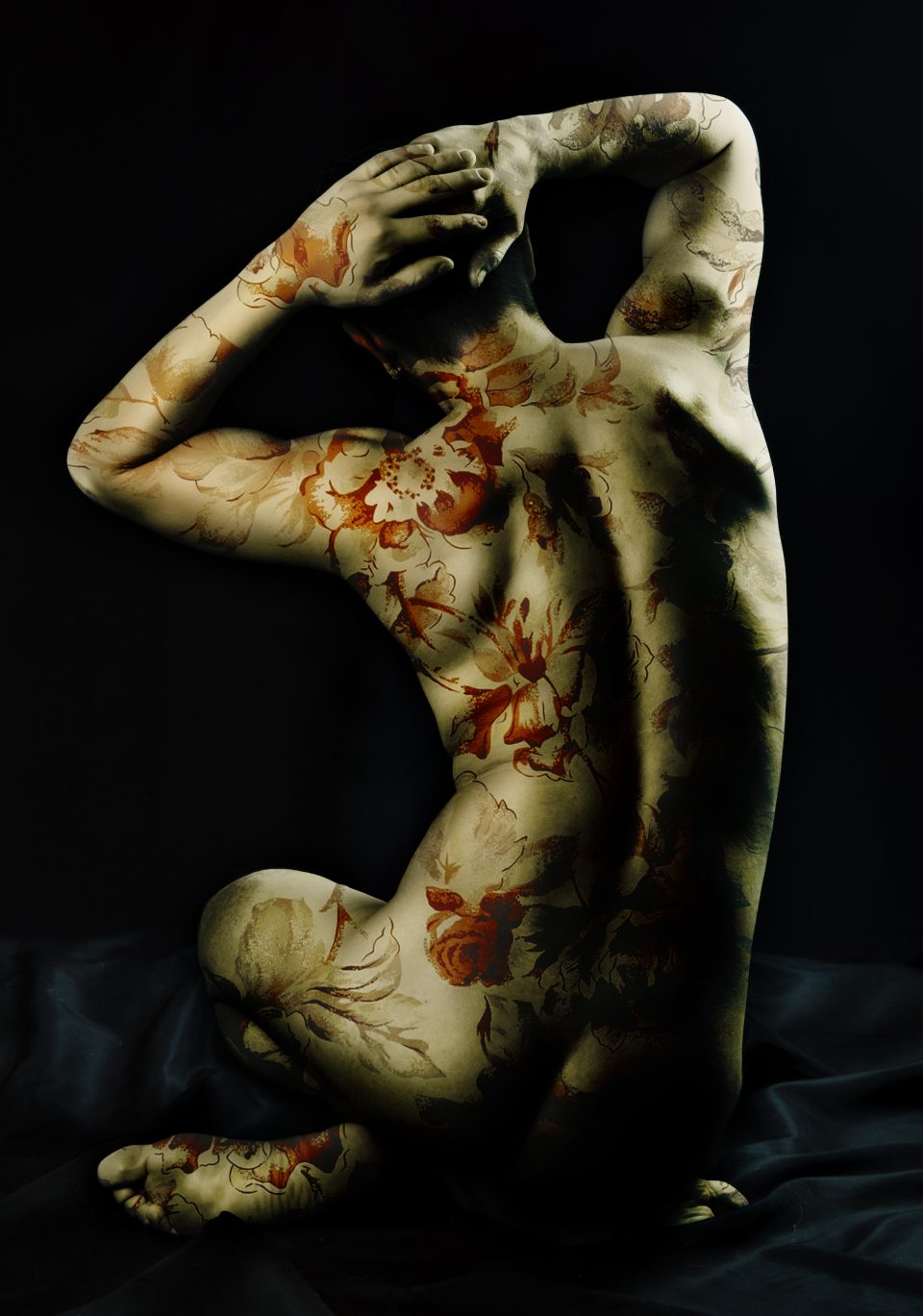
Body knowledge — what we experience through touch, movement, and somatic awareness — is a distinct form of understanding. Not better or worse than thinking. Different. And often very useful.
—-
### What Massage Actually Does
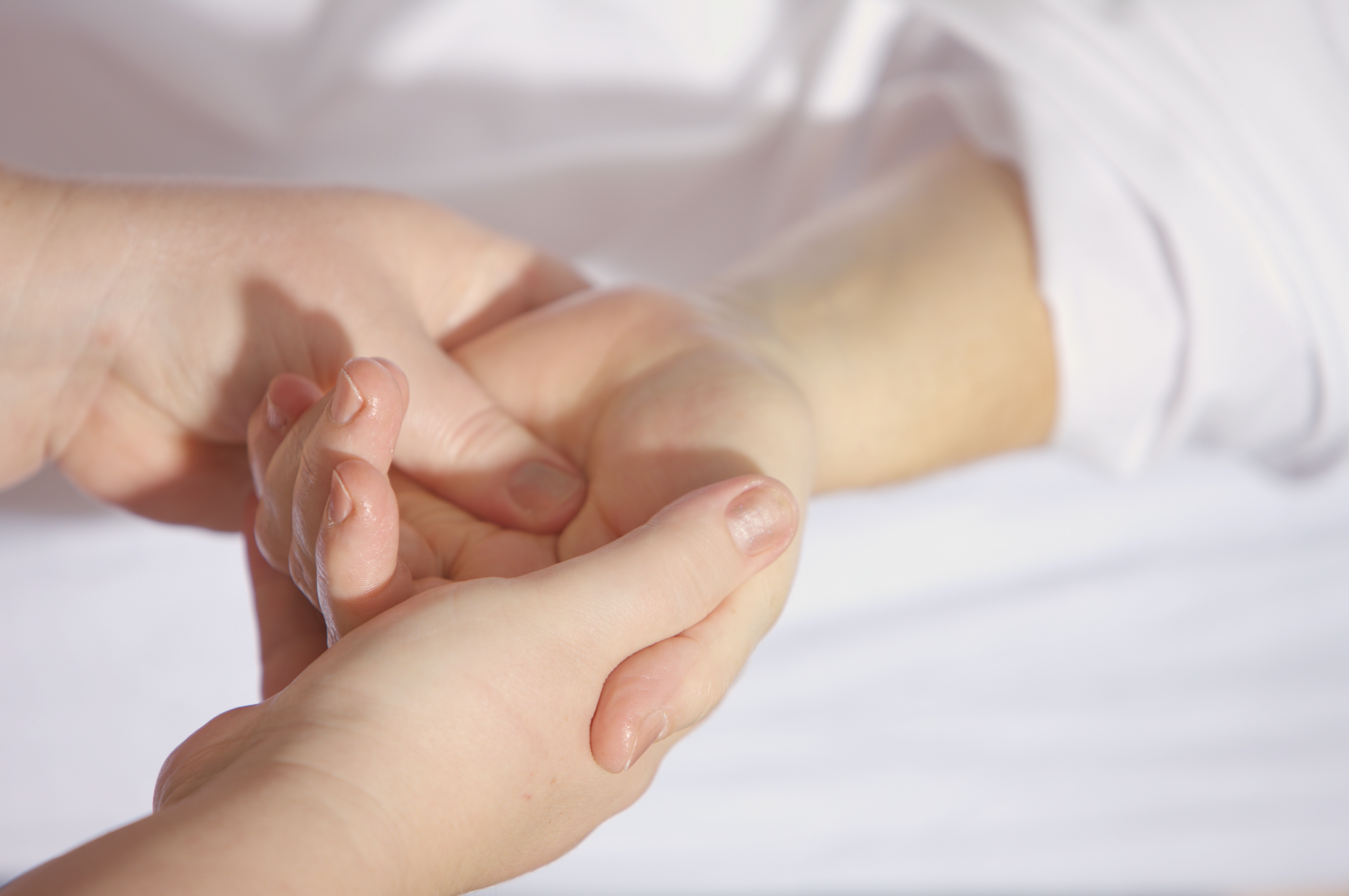
I’m not talking about therapeutic promises here. I’m talking about what is observable when a body comes to rest and is consciously touched.
**Attention turns inward.** In daily life, we direct our perception almost entirely outward — toward screens, appointments, other people. On the massage table, that changes. Attention reverses direction. That alone is unusual — and for many people, initially a little unfamiliar.
**Tension becomes conscious.** Many people don’t know how much tension they carry until someone places a hand on a particular spot and asks: “Is that uncomfortable?” The answer is often: “I didn’t even know it was like that there.” That’s not a failure — it’s simply how we function. We adapt to our own tension patterns until they become normal.
**Responses show themselves.** Sometimes the breath shifts. Sometimes a muscle contracts as if it has its own opinion. Sometimes an image or memory surfaces. This isn’t a sign that something is wrong — it’s a sign that the body is communicating.
### Body Memory — A Brief Explanation
Our bodies store experience not only in the mind. Events, stress, joy, contact, pain — all of these leave physical traces as well. Research calls this “somatic memory” or “body memory.”
This does not mean that massage simply dissolves these traces. That would be an oversimplification I wouldn’t want to claim. But it does mean that bodywork can be a way of coming into more conscious contact with oneself — with curiosity, with attention, without needing to immediately judge or interpret.
> “The body is the soul’s translator into the visible.”
> — Christian Morgenstern
### A Small Exercise for Home
You don’t need a massage to listen to your body. You can do this alone — and here’s how.
Take five minutes. Sit comfortably, feet on the floor.
**Step 1 — Arriving**
Place both hands flat on your thighs. Feel the warmth of your own hands. Breathe in once slowly, and out slowly.
**Step 2 — Observing Without Judging**
Move your attention through your body — starting at your feet, slowly upward. Ask yourself only one question along the way: *“What do I notice here?”* Not: *“Is this right?”* or *“What does this mean?”* — simply: *“What is there?”*
**Step 3 — Noticing Differences**
Are there places that feel tight? Places that feel warm or heavy? Areas you can barely perceive at all? Everything is fine — there are no right answers.
**Step 4 — Closing**
Take three conscious breaths. Shake out your hands briefly. Then ask yourself: *“What did I notice just now?”*
If you like, write down your observations. Don’t analyze — just note.
—–
### Why I’ve Integrated Bodywork Into My Practice
I’ve been a therapist, coach, and massage practitioner for many years — and honestly, I used to have a fairly separate view of these areas myself. Conversation over here, body over there.
That’s changed. Not because I followed a particular theory, but because I kept observing: sometimes something opens in the body before the words for it exist. And sometimes something stays stuck in conversation until the body is invited to participate.
That’s not magic. It’s simply the experience that we are more than our thinking.
—–
### In Closing
For me, massage is not primarily a technique. It’s an invitation — to the body, to perception, to curiosity. An hour in which the body doesn’t have to perform, but simply gets to be.
If you’re curious — about massage, about bodywork, about what this kind of encounter can open up — [feel free to get in touch](https://praxis-wiebersch.de/kontakt). I look forward to the conversation.
This is Sean. Be good to yourself — and curious about your body.
**Until next time.**
*(For specific questions or appointments: [kontakt@praxis-wiebersch.de](mailto:kontakt@praxis-wiebersch.de))*